
Stinky Pet Breath: What’s Normal, What’s Not, and When to See the Vet

Every pet parent knows the moment. Your dog trots over for an enthusiastic kiss, or your cat yawns in your lap, and suddenly you come face-to-face with a blast of pet bad breath strong enough to make you blink. While a little odor is normal, persistent bad breath in pets can be a sign that something more serious is brewing.
So how do you tell the difference between everyday stink and a health concern?
Continue…How to Care for a Toothless Dog or Cat
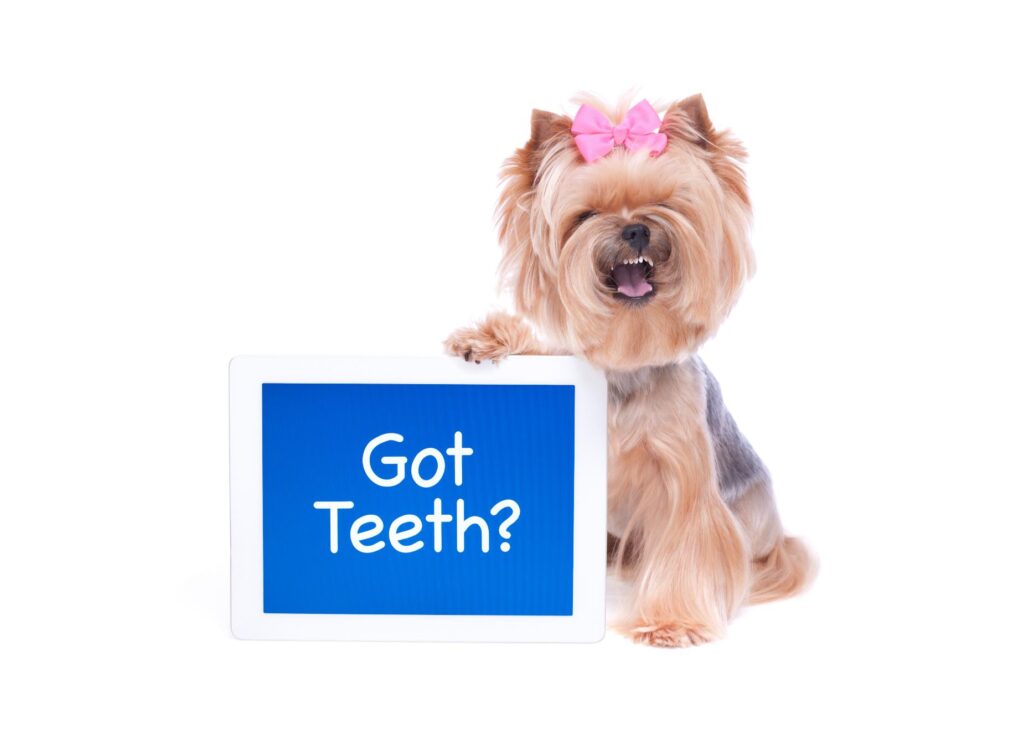
A pet’s teeth are part of their unique appearance, but a toothless dog or cat is equally distinctive. Many factors lead to partial or complete toothlessness. Whether tooth extractions resulted from advanced periodontal disease or another cause, a proactive approach to a toothless pet’s nutritional needs is critical to their health. Additionally, even in the absence of teeth, there are important ways to support overall oral hygiene.
Continue…The Gold Star Guide to Brushing Your Pet’s Teeth at Home
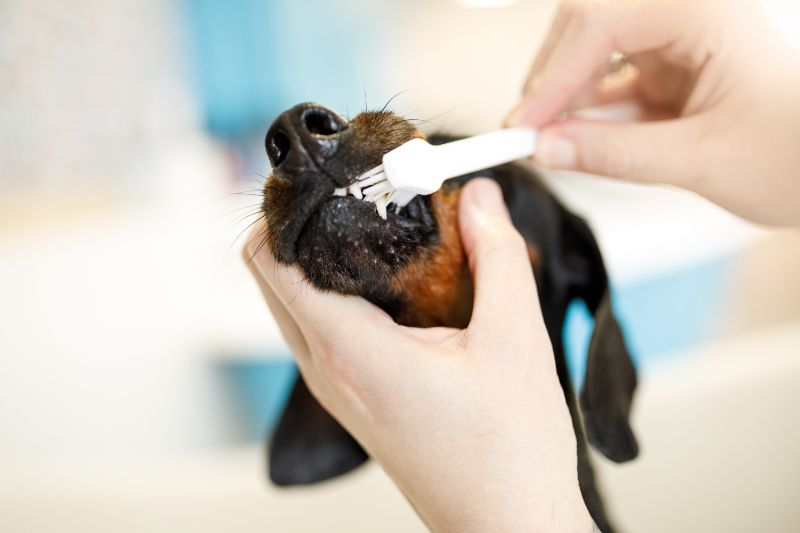
Pet owners are some of the most responsible, caring people out there. They usually know exactly what their best friends need, and try their hardest to provide it.
Despite this commitment, it can be very challenging to maintain a dental care routine at home. Sure, there are some great food products designed to reduce plaque and tartar accumulation. But there really isn’t a substitute for brushing your pet’s teeth at home.
We know it can be hard to start, but our tips aim to help you establish a safe, nurturing habit.
Continue…Is Pet Dental Care Really Necessary? The Answer May Surprise You
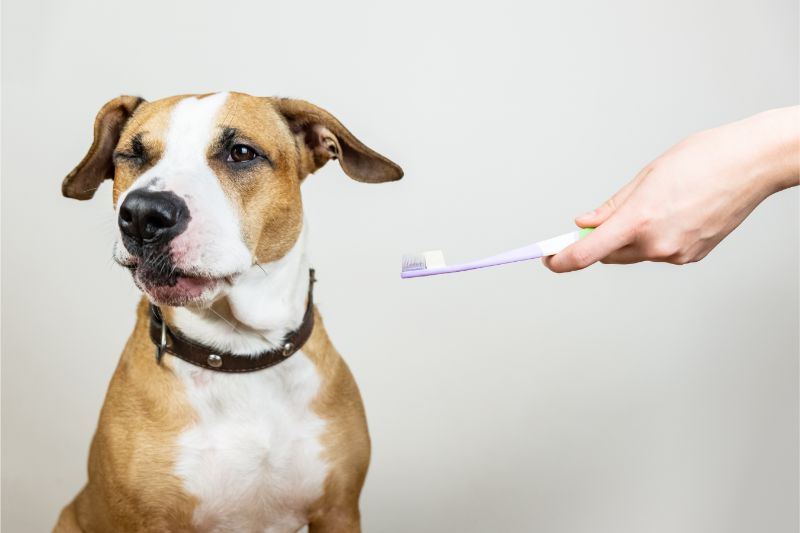
Imagine not brushing your own teeth. Within a day, your mouth would probably feel pretty gross. For most pets, never having their teeth brushed or professionally scaled is a fact of life.
While it can seem frivolous or indulgent to care for a pet’s teeth, the fact is that a large majority of cats and dogs suffer from the effects of periodontal (gum) disease by the time they reach age 3. Caused by poor pet dental care, this irreversible disease is 100% preventable.
Continue…