
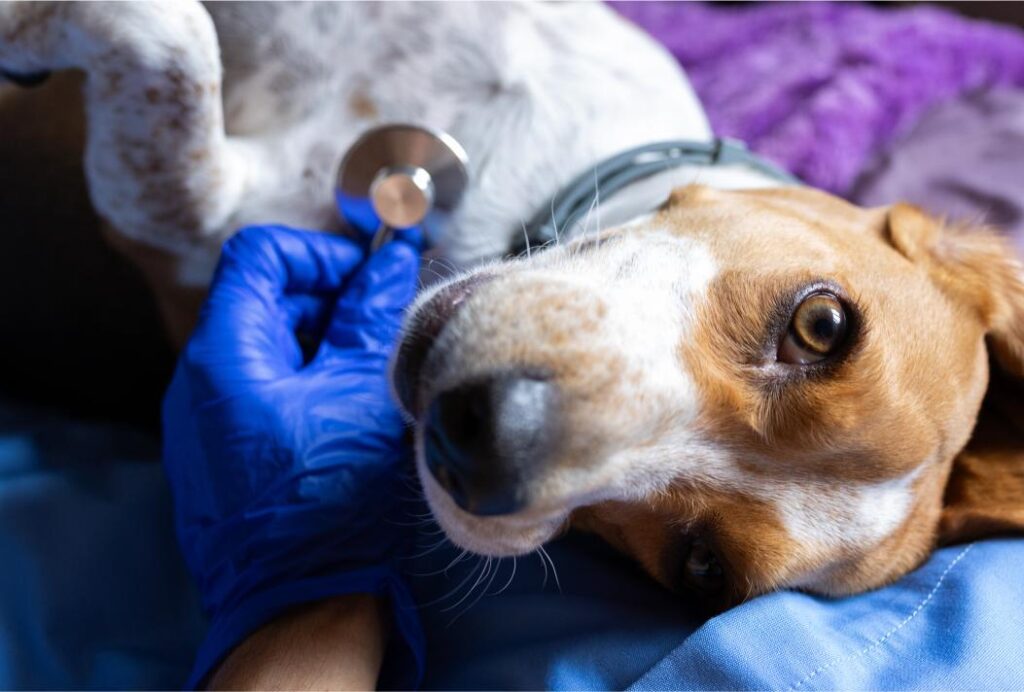
Wildfire season can create serious health concerns for pets, especially puppies with developing respiratory systems. Even if smoke exposure seems mild, irritation from poor air quality can quickly become dangerous. Knowing when to seek emergency care can make all the difference.
Many pet owners searching for answers about wildfire smoke symptoms assume that a little coughing will pass on its own. Unfortunately, smoke inhalation can affect the lungs and airways long after the smoke clears. In some cases, inflammation and pneumonia may not fully develop until a day or two after exposure.
If your puppy has been around smoke, ash, or strong outdoor air pollution, it’s important to monitor their breathing closely.
Respiratory Distress Symptoms
When it comes to respiratory distress in puppies due to wildfire exposure, early signs can be easy to miss. Puppies may try to hide discomfort until symptoms become more severe.
If your puppy is showing any of the following symptoms, do not wait to seek veterinary guidance:
- Persistent coughing
- Wheezing or whistling sounds while breathing
- Gagging or retching
- Rapid, labored, or noisy breathing
- Open-mouth breathing
- Red, watery, or irritated eyes
- Extreme fatigue or weakness
- Loss of appetite
- Excessive thirst
- Pale or bluish gums
- Difficulty resting comfortably
One of the biggest warning signs to watch for is increased difficulty breathing. If your puppy seems to be struggling to catch their breath or cannot settle down comfortably, an emergency evaluation may be necessary.
Veterinarian Recommend Diagnostic Procedures
If you’re concerned about smoke inhalation for your pet in Los Angeles County, a veterinary exam is an important way to evaluate how much the smoke may have affected the lungs and airways of your pet.
Depending on symptoms, your veterinarian may recommend:
- A full respiratory exam to listen for inflammation, fluid buildup, or abnormal lung sounds.
- Oxygen level testing to determine how efficiently the lungs are working.
- Chest X-rays to look for irritation, pneumonia, or smoke-related lung damage.
- Bloodwork to evaluate infection, inflammation, dehydration, or stress on internal organs.
- Temperature and hydration assessment to identify secondary complications.
These evaluations help determine whether your puppy needs supportive care, oxygen therapy, medications, or emergency monitoring.
When to Worry About Your Puppy’s Breathing
Some mild throat irritation can happen after smoke exposure, but worsening symptoms should never be ignored.
You should contact a veterinarian immediately if:
- Your puppy’s breathing rate increases while resting
- Coughing becomes frequent or harsh
- Your puppy is refusing food or water
- They appear weak, disoriented, or unsteady
- Breathing sounds wet, raspy, or unusually loud
- Symptoms continue to get worse
A delayed reaction is also possible after smoke exposure. Lung inflammation and pneumonia can take up to 36 hours to develop, even if your puppy initially seemed fine. It’s important to always take breathing concerns seriously.
Tips to Help Protect Your Pet During Wildfire Season
While veterinary care is critical for severe symptoms, there are also steps you can take at home to help reduce smoke exposure:
- Keep pets indoors as much as possible
- Limit outdoor walks and strenuous activity
- Use air conditioning or air purifiers if available
- Keep windows and doors closed during poor air quality days
- Provide fresh water at all times
- Watch for changes in breathing, appetite, or energy levels
- Wipe paws and fur after going outside to remove ash particles
Pets with pre-existing respiratory conditions, senior pets, and young puppies are often at higher risk for complications.
Emergency Veterinary Care for Respiratory Symptoms
Respiratory symptoms can escalate quickly, especially during wildfire season. If your puppy is coughing, struggling to breathe, or showing signs of smoke inhalation, prompt veterinary care is important.
At Shiloh Veterinary Hospital, emergency respiratory evaluations and mobile veterinary care help bring treatment directly to your doorstep when your pet needs immediate attention most.