
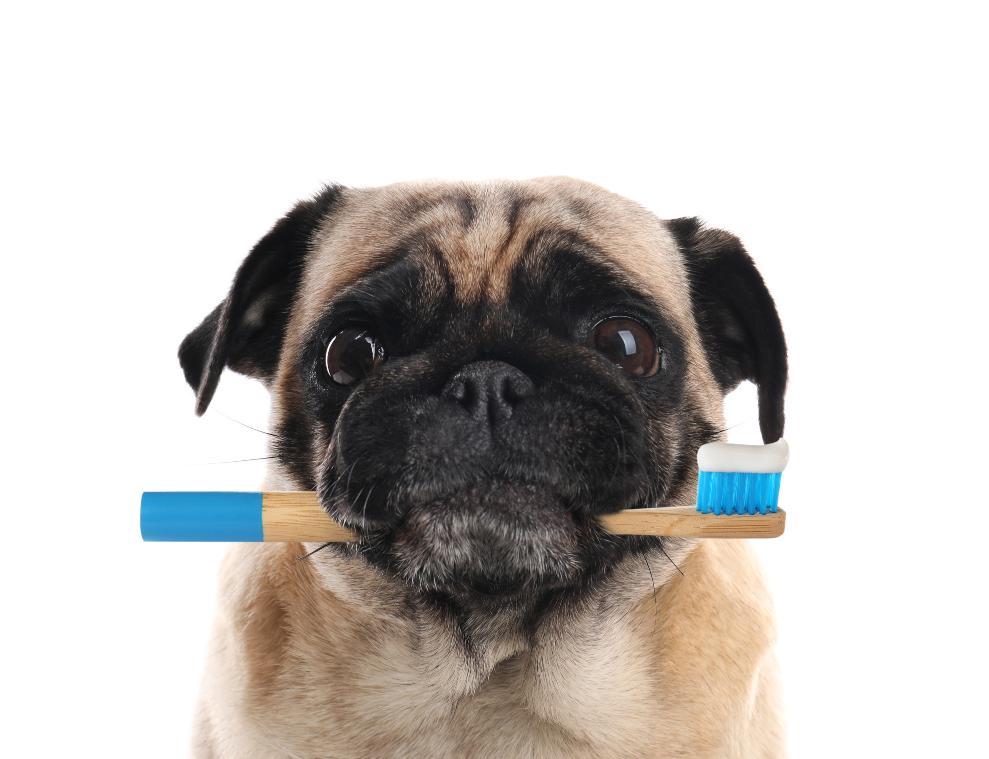
Every pet parent knows the moment. Your dog trots over for an enthusiastic kiss, or your cat yawns in your lap, and suddenly you come face-to-face with a blast of pet bad breath strong enough to make you blink. While a little odor is normal, persistent bad breath in pets can be a sign that something more serious is brewing.
So how do you tell the difference between everyday stink and a health concern?
What’s Normal When It Comes to Pet Breath
Mild dog bad breath or cat bad breath is common, especially after meals. Pets explore the world with their mouths, and traces of food or harmless bacteria can cause temporary odors. If the smell fades and your pet is eating, drinking, and behaving normally, it is usually nothing to worry about.
However, breath that smells consistently foul, metallic, or unusually strong is not considered normal. Chronic pet bad breath often points to dental disease or medical issues that warrant prompt attention.
Common Causes of Bad Breath in Pets
The most frequent cause of halitosis in dogs and cats is dental disease. Plaque and tartar buildup create a breeding ground for bacteria, leading to inflamed gums, tooth decay, and infection. Without treatment, these problems can become painful and may even affect your pet’s overall health.
Other possible causes of bad breath in pets include:
- Gum disease or oral infections
- Foreign objects stuck in the mouth
- Digestive issues
- Kidney or liver disease
- Diabetes, which can cause a sweet or fruity odor
Because some of these conditions are serious, persistent dog bad breath or cat bad breath should never be ignored.
Signs It’s Time to See the Vet
If your pet’s breath has shifted from mildly unpleasant to truly overpowering, it is time for a professional evaluation. Watch for these warning signs:
- Red, swollen, or bleeding gums
- Difficulty eating or chewing
- Excessive drooling
- Loose or missing teeth
- Pawing at the mouth
- Changes in appetite or behavior
A thorough oral exam can help pinpoint the cause. At Shiloh Veterinary Hospital, your veterinarian may recommend a professional dental cleaning, X-rays, or additional tests to rule out underlying medical conditions.
How to Keep Your Pet’s Breath Fresh
Preventing halitosis in dogs and cats doesn’t just make for more pleasant smooches; it also plays a big role in your pet’s overall health and well-being. Regular tooth brushing with pet-safe toothpaste, offering dental chews, and maintaining routine veterinary cleanings all help reduce plaque and bacteria. And annual wellness exams allow us to catch early signs of dental disease before they escalate.
Fresh breath is not just about comfort during cuddle time. Addressing bad breath in pets protects their teeth, gums, and long-term health. If your pet’s breath seems stronger than usual, contact our team at (818) 614-9929 to schedule your pet’s checkup.